Eat the Enemy: Saving the Reef with a Fork
The spines on the fish looked radioactive. They fanned out like a warning, tipped with venom that can send a grown man to the hospital in agonizing pain.
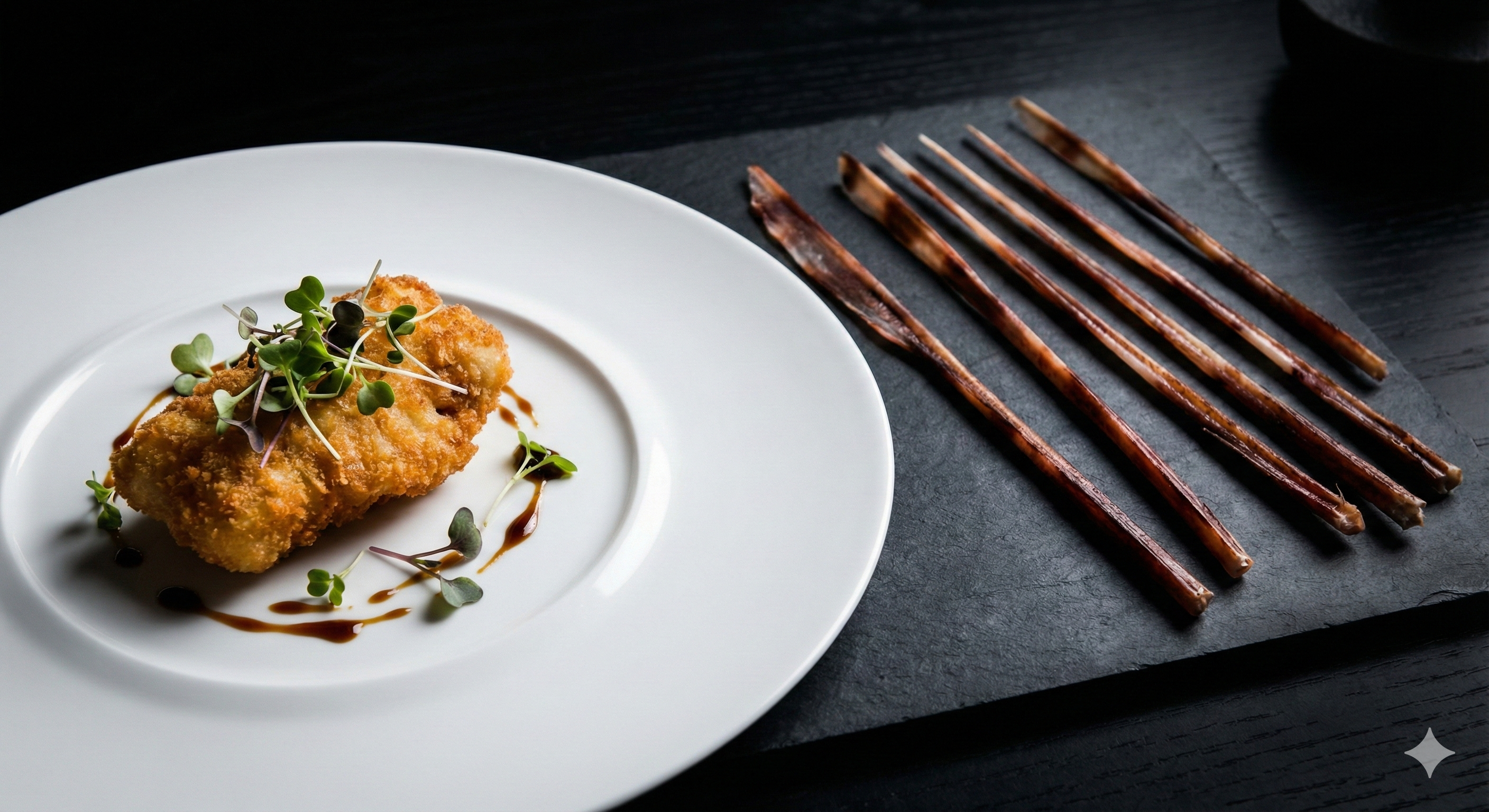
I was sitting in a beach shack in Belize, and the chef had just dropped a plate of fried Lionfish in front of me.
Most sustainable travel guides tell you to eat less seafood. They tell you to avoid the shrimp (mangrove destruction) and the tuna (overfishing).
They are right. But there is a loophole.
Sometimes the most ethical thing you can do for an ecosystem is to eat the thing that is killing it.
We are currently fighting a global war against invasive species. These are animals introduced by human error into environments where they have no natural predators. They act as biological wildfires, consuming everything in their path.
In the Caribbean, the Lionfish is a vacuum cleaner. It eats the baby grouper and the parrotfish that keep the coral clean.
In the Mediterranean, the Blue Crab is clipping the nets of local fishermen and devouring native mollusks.
For the culinary traveler, this presents a unique opportunity. This is not just dinner. It is conservation through consumption.
 Eat The Enemy
The Flavor of Vengeance
For "Backpacker Ben," who operates on a budget, invasive species are often the cheapest protein on the menu. Because they are pests, there is no quota.
The more you eat, the better.
I took a bite of the Lionfish. I expected it to taste swampy or aggressive.
It was delicate. The meat was white, flaky, and buttery, closer to Dover Sole than a rugged reef fish.
It tasted expensive.
This is the irony of the invasive market. These animals are often delicious, but we are too scared to eat them because they look strange or we simply don't recognize the name.
We stick to the "Safe Three" (Salmon, Tuna, Shrimp) and ignore the ecological monsters destroying the coastline.
The Skill of the Hunt
For "Immersive Ian," ordering the invasive option is the gateway to a deeper skill set.
In Florida and the Caribbean, dive shops now offer "Lionfish Hunter" certifications.
You don't just watch the fish; you learn to handle a pole spear. You learn the buoyancy control required to track a predator into a crevice and the knife skills needed to shear off the venomous spines before the fish hits the cooler.
This is "palate forensics" in action1. You are interacting with the food system, not just passively receiving a filet on a ceramic plate.
It changes the way you view the reef. You stop seeing a pretty backdrop and start seeing the war for resources happening between the coral heads.
The Vegetarian Dilemma
I often argue with vegans about this. Can you be a vegetarian and eat invasive species?
I argue yes.
If you do not eat the Lionfish, it will consume ten thousand native fish in its lifetime.
By removing one predator, you save a generation of herbivores.
It is a utilitarians calculation.
If we want to "de-colonize the plate"2, we must stop demanding imported farmed salmon in the tropics and start eating the problem that is right in front of us.
The Menu Audit: What to Order and What to Ban
Navigating a seafood menu is a minefield. Instead of red and green flags, let us use the language of the kitchen. Here is your "86 List" (what to cut) and your "Specials Board" (what to prioritize).
The 86 List (Do Not Order)
The Reef Cleaner: Parrotfish.
If you see this colorful fish on a menu, leave the restaurant. Parrotfish eat the algae off the coral. Without them, the reef suffocates and dies. Eating a Parrotfish is like eating the janitor; the building will fall apart without them.
The Apex Trophy: Shark Fin Soup.
This is biologically expensive and morally bankrupt. Sharks regulate the ocean. Removing them causes the entire food web to collapse.
The Specials Board (Devour on Sight)
The Caribbean Invader: Lionfish.
Order the ceviche. Order the fish fry. Order seconds. Every bite protects a native grouper.
The Mediterranean Bully: Blue Crab (Callinectes sapidus).
Native to the Atlantic but destroying the Mediterranean. They are sweet, succulent, and overpopulated. Eating them helps local fisherman reclaim their livelihoods.
The American South Threat: Asian Carp.
Often rebranded as "Copi." They are bony but delicious when prepared correctly. They destroy river systems. Eat them into extinction.
The Question for the Chef
Next time you sit down at a seaside restaurant, do not ask for the "Catch of the Day." That is often code for whatever was easiest to net.
Ask the waiter a different question: "Do you have any invasive species on the menu tonight?"
If they look confused, explain it. Tell them you want to eat the enemy.
Your fork is a weapon. Use it to defend the reef.