Voices of the Valley: A Guide to Reciprocal Travel in Peru
The wind in the Sacred Valley does more than move the air. It carries eucalyptus smoke and the dry, old dust that rises from the terraces whenever someone walks across them. On my first morning in Pisac, I stood at the edge of a stone platform and watched a tour bus idle on the road below. Passengers spilled out with their cameras lifted like small shields. A woman was leading her alpaca along the roadside. The visitors captured the image quickly, almost urgently, without ever learning her name. Within minutes they were gone, leaving a ribbon of exhaust drifting over the potato fields.
It hurt a little to watch. Not because they meant any harm, but because the moment felt hollow. Many of us worry about performing the same kind of extraction. We want to see the world, yet we fear turning the lives of others into backdrops for our own stories.
There is another way to move through this valley. The Quechua word is Ayni. It translates loosely to reciprocity, though the meaning is wider than that. It carries a sense of mutual care, a circular exchange of effort and respect. When I travel with Ayni in mind, I stop asking what the place can give me and start asking how I can arrive in relationship with it. The valley feels different when I ask that question honestly.
Here are a few places where I felt the heartbeat of the Andes without pressing too hard on it.
The Stay: La Tierra de los Yachaqs
The Place: The Amaru Community
If you fear staged experiences, this is where that fear softens. La Tierra de los Yachaqs is not a tour company. It is a collective effort built by eight indigenous communities who grew tired of outside operators pocketing the earnings. They manage everything themselves so the revenue stays in the village. The difference is visible the moment you step inside.
I slept in Amaru, although sleeping feels like the smallest part of what the visit offered. I woke up to the smell of muña tea and the muffled rhythm of my host Maria preparing for the day. The luxury here is not convenience. It is usefulness. Guests are invited to join the work of the day. I spent one morning sorting corn kernels by hand. My fingertips turned the color of the husks and I liked that my time had a place in their routine.
There are no actors here. The Yachaqs, whose name roughly means The Wise Ones, share their knowledge of plants and weaving because they want their children to inherit it, not because a tourist brochure told them to perform it.
 Voices Of The Valley
The Meal: Parwa Community Restaurant
The Place: Huchuy Qosqo Community
Ethical travel usually demands research, but sometimes it simply tastes like pumpkin soup that makes you close your eyes for a second. Parwa is a small restaurant built on an intentional ripple model. There is no private owner. The profits fund a water project, a computer classroom for students, and a pension fund for elders who have spent their lives caring for the land.
When you pay for your meal, you are paying for the tomatoes grown a few steps from the kitchen and for the school that children walk to every morning. I watched the staff move through the dining room with a quiet confidence that comes from being valued. It was the opposite of the strained smiles I have seen in tourist hubs. Their pride changed the flavor of everything they served.
The Connection: Ccaccaccollo Women's Weaving Cooperative
The Place: Ccaccaccollo
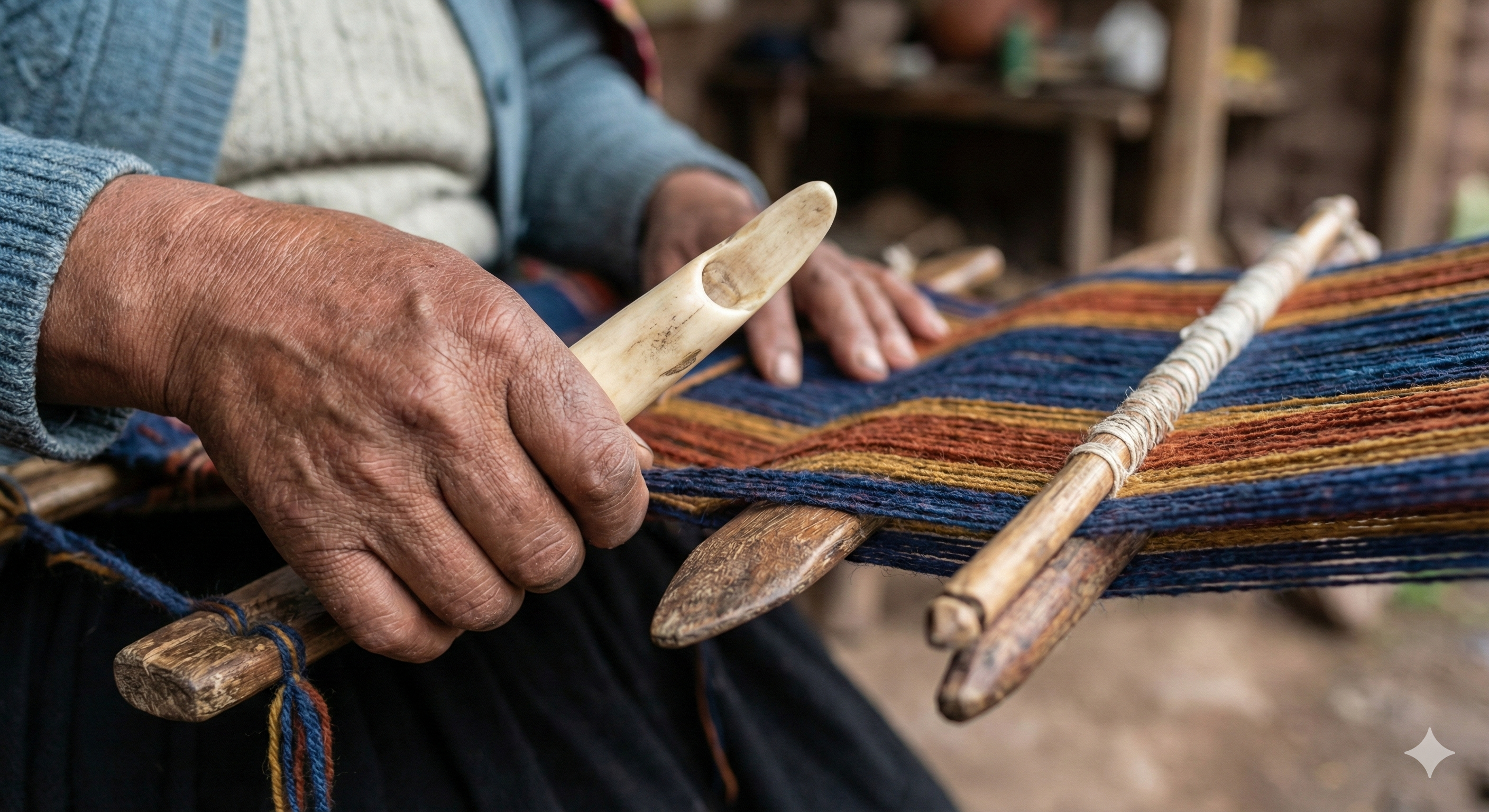
Weaving in the Andes is not a hobby. It is a language made of knots, color, and patience. For years, middlemen bought the work of these women for almost nothing and resold it for hundreds in Cusco. The cooperative changed that story entirely.
The first generation of children in the village is now attending university because of the income from this collective. When you buy a scarf here, you are not buying a keepsake for your suitcase. You are paying a semester of someone’s accounting class or engineering exam fees.
I sat beside Elena, a master weaver, while she tightened the threads on her backstrap loom using a piece of llama bone. We did not share a language, not fully, but we shared a sense of effort. She laughed when I failed to spin the wool on the drop spindle. My clumsy attempt broke the tension of the moment and reminded me that travel is at its best when you allow yourself to be imperfect.
Field Notes: The Etiquette of Presence
Ask for Consent
Never photograph a person without asking. A quick smile and a gesture go a long way. If they decline, take it as an act of trust, not rejection.
Learn the Language
Even a few words change everything. Allin punchay means good morning. Sulpayki means thank you. They do not just open doors. They open eyes.
Find Your Third Place
Choose a spot that does not appear in any itinerary. Maybe a bench in the plaza or the fruit section of the local market. Return to it at roughly the same time each day. You will start to notice the rhythm of the village and, eventually, the village will notice you.
An Invitation
Before you finalize your plans for Cusco, pause for a moment. Look at the blank spaces between the major sites. Those empty spaces are where people actually live. Fill one of those spaces with a visit to Amaru or a meal at Parwa. Do not go to watch. Go to listen.